

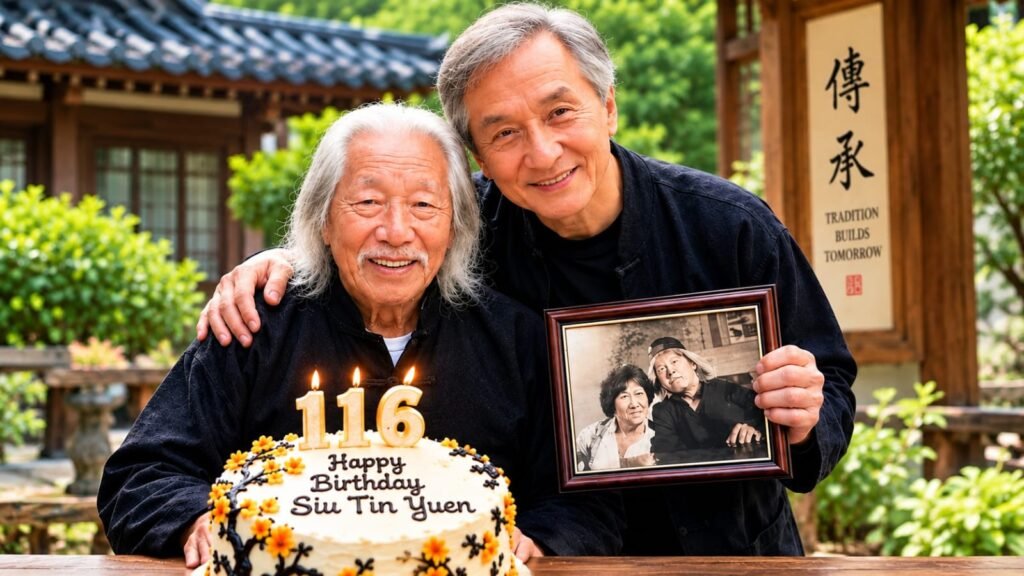
Yuen Siu-tien is remembered for his iconic role as Beggar So in the classic martial arts film Drunken Master.
More than four decades after his death, Yuen Siu-tien remains one of the most recognizable faces of classic Hong Kong kung fu cinema. On what would have been his 116th birthday, martial arts fans are remembering the performer whose distinctive combination of humor, wisdom and fighting ability helped make an entire generation of action films unforgettable.
For international audiences, Yuen is best remembered as Beggar So, the unconventional martial arts teacher from Drunken Master. His performance alongside Jackie Chan became one of the defining highlights of the film and helped establish a style of kung fu storytelling that could move between comedy and intense action without losing its sense of authenticity.
The birthday tribute also offers an opportunity to look back at the broader influence of Yuen’s work. His legacy is connected not only to his own performances but also to the martial arts traditions he passed down through his family and the next generation of filmmakers and performers.
The Character That Made Beggar So Unforgettable
When audiences think of Yuen Siu-tien, Beggar So is usually the first character that comes to mind.
In Drunken Master, the character serves as a demanding and unconventional teacher. His methods are far removed from the formal image of a traditional martial arts instructor. Instead, he combines unusual behavior, sharp humor and extraordinary fighting ability to create a memorable presence.
The role gave Yuen an opportunity to show how effective comedy could be when combined with genuine martial arts skill. Rather than separating the funny moments from the action, the film allowed both elements to work together.
That balance became an important part of the film’s appeal. Beggar So could make audiences laugh one moment and command their attention during a fight the next.
Yuen’s performance helped make the character feel larger than life without losing the physical credibility expected from a kung fu film. His movements, timing and screen presence contributed to the lasting impression he left on viewers.
For many fans, Beggar So is not simply a supporting character from an older movie. He is one of the figures that helped define the personality of classic Hong Kong martial arts cinema.
How Yuen Helped Shape Comedic Kung Fu
The appeal of Yuen Siu-tien’s screen work came from the way he brought different qualities together.
He had the ability to portray authority without making his characters feel overly serious. His performances could include humor, eccentric behavior and moments of genuine intensity. That combination made him particularly effective in stories where martial arts training was central to the plot.
His work also demonstrated that a kung fu film did not have to rely only on dramatic confrontations. A character’s personality, physical timing and relationship with other performers could be just as important as the fight itself.
This approach became especially memorable in films associated with Jackie Chan’s early action-comedy style. The contrast between a young student and an unpredictable teacher created opportunities for both physical comedy and martial arts spectacle.
Yuen’s contribution to that style is part of why his performances continue to be discussed by fans of classic action cinema.
Although modern action films often use elaborate visual effects and fast editing, the appeal of older Hong Kong kung fu movies frequently comes from the performers themselves. Their movements, timing and interaction with the camera give the action a distinctive character.
Yuen Siu-tien’s performances remain a strong example of that tradition.
His Connection to Jackie Chan
Yuen Siu-tien’s legacy is closely associated with Jackie Chan, whose performance in Drunken Master helped make the film internationally famous.
The relationship between the two performers is often remembered through the film’s memorable teacher-and-student dynamic. Yuen’s Beggar So provided the kind of demanding, unusual mentor that allowed Chan’s character to develop through training and challenge.
That relationship gave the film more than a series of fight scenes. It created a story about discipline, persistence and the difficult process of learning martial arts.
Yuen’s presence helped make the training sequences entertaining while still giving them a sense of purpose. The humor made the lessons memorable, but the physical demands of the training also emphasized the discipline behind the fighting techniques.
For audiences, the result was a film that could be enjoyed as comedy, action and a martial arts story at the same time.
The supplied birthday tribute also remembers Yuen as a teacher who helped pass down martial arts traditions. However, the specific details of his training relationship with Jackie Chan should be confirmed through reliable biographical sources before being presented as a documented account.
A Family Legacy Through Yuen Woo-ping
Yuen Siu-tien’s influence extends beyond his own filmography through his son, Yuen Woo-ping.
Yuen Woo-ping became a respected martial arts choreographer and filmmaker, contributing to the development of action cinema in Hong Kong and beyond.
His work helped demonstrate how martial arts choreography could serve both the story and the performers. In well-crafted action sequences, the movement of the actors is not simply decoration. It communicates character, conflict and the progress of a story.
That wider approach to choreography reflects the importance of martial arts traditions within the Yuen family.
The birthday tribute describes Yuen Siu-tien as a father and teacher who helped pass those traditions to the next generation. While the supplied material does not provide a detailed account of the family’s training history, it clearly presents his influence as an important part of his legacy.
The connection between father and son is particularly meaningful because both became associated with the creative possibilities of martial arts cinema.
Yuen Siu-tien helped establish a memorable screen presence through performance. Yuen Woo-ping later became known for his work behind the scenes, helping shape the action itself.
Together, their careers represent different but connected parts of Hong Kong’s martial arts film tradition.
Why His Style Still Matters
One reason Yuen Siu-tien remains memorable is that his performances were not dependent on modern filmmaking technology.
His impact came from his physical presence, comic timing and ability to communicate a character through movement.
In classic kung fu cinema, performers often had to make difficult action sequences feel natural while maintaining the rhythm of the story. A fight could be dramatic, funny or surprising, sometimes within the same scene.
Yuen’s performances reflected that flexibility.
His characters could appear eccentric without becoming disconnected from the world of martial arts. The humor was part of the performance, but the physical skill gave it credibility.
That balance helped make his work accessible to audiences who enjoyed both action and comedy.
It also contributed to the lasting appeal of Drunken Master, a film that remains closely associated with the development of martial arts action-comedy.
The film’s influence is often discussed in relation to Jackie Chan’s career, but Yuen’s role as Beggar So was an important part of its identity. His performance gave the story a distinctive mentor figure and helped create some of its most memorable moments.
Remembering the Golden Era of Hong Kong Kung Fu Films
Yuen Siu-tien’s career is part of a larger period in Hong Kong cinema when martial arts films became known for their creativity, physical performances and distinctive storytelling.
The genre developed a strong international following through films that combined carefully choreographed fights with memorable characters.
Audiences were drawn not only to the action but also to the personalities of the performers. Teachers, students, rivals and comic characters could all become important parts of a film’s appeal.
Yuen’s work fit naturally into that tradition.
His performances showed how a supporting character could have a lasting impact on the audience. Beggar So was not the central hero of Drunken Master, but his presence helped shape the film’s story and tone.
The role also demonstrated the value of experienced performers in action cinema. A character who brings authority and humor to a story can help create a stronger contrast with younger performers.
That contrast was particularly effective in martial arts films built around training and personal development.
The Lasting Appeal of Beggar So
Beggar So remains one of the characters most strongly associated with Yuen Siu-tien’s career.
The character’s unusual personality and martial arts ability made him easy to remember, while the performance gave him a place in the history of Hong Kong action cinema.
For fans who discovered Drunken Master years after its release, Beggar So became an introduction to Yuen’s work.
The role also helped demonstrate the importance of a memorable mentor in martial arts storytelling. A teacher can challenge the hero, provide comic relief and guide the story toward its final confrontation.
Yuen brought all of those qualities together in a performance that continues to be recognized by fans of the genre.
His work is a reminder that a great martial arts film depends on more than technical fighting ability. Character, timing and personality can be equally important.
A Birthday Tribute to a Martial Arts Icon
Yuen Siu-tien’s 116th birthday has prompted fans to remember the performer who brought Beggar So to life and helped shape the identity of classic kung fu cinema.
His career remains significant because of the way he combined humor with martial arts performance. He showed that a character could be entertaining without losing the authority of a skilled fighter.
His connection to Yuen Woo-ping and the wider martial arts film tradition also gives his legacy a family dimension. The influence of one generation can continue through the work of another, particularly in a creative field where training and experience are passed down over time.
For audiences who continue to revisit Drunken Master, Yuen’s performance remains a central part of the film’s appeal.
The birthday tribute is therefore about more than remembering an actor. It is also about recognizing the contribution of a performer whose work helped make Hong Kong martial arts cinema distinctive.
Yuen Siu-tien’s screen legacy continues through the films he appeared in, the characters audiences remember and the influence of the martial arts traditions connected to his career.