
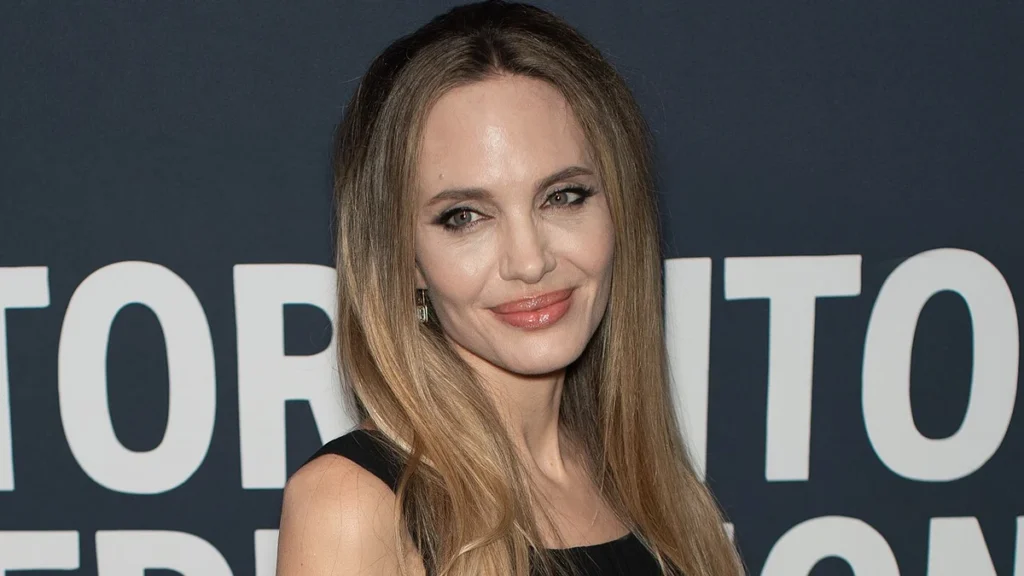
A Hollywood Icon at the Crossroads of Healing and Reinvention
For more than three decades, Angelina Jolie has stood as one of the most mesmerizing, formidable, and globally recognized figures in contemporary cinema. From her Oscar-winning tour de force in Girl, Interrupted and her genre-defining action stardom as Lara Croft to anchoring multi-billion-dollar blockbusters like Maleficent, Jolie’s name has long been synonymous with Hollywood royalty. Yet, behind the dazzling veneer of global celebrity and relentless red-carpet glamor, the acclaimed actress has navigated an extraordinarily tumultuous personal chapter that led her to question the very foundation of her career. In a series of remarkably candid and emotionally resonant revelations, Jolie opened up about her deliberate decision to step back from the silver screen, confessing that she came extraordinarily close to walking away from acting entirely. Her journey—marked by deep personal trauma, protective maternal instincts, and an arduous search for inner peace—presents an intimate portrait of a woman who chose to dismantle her public persona in order to rebuild her soul from within.
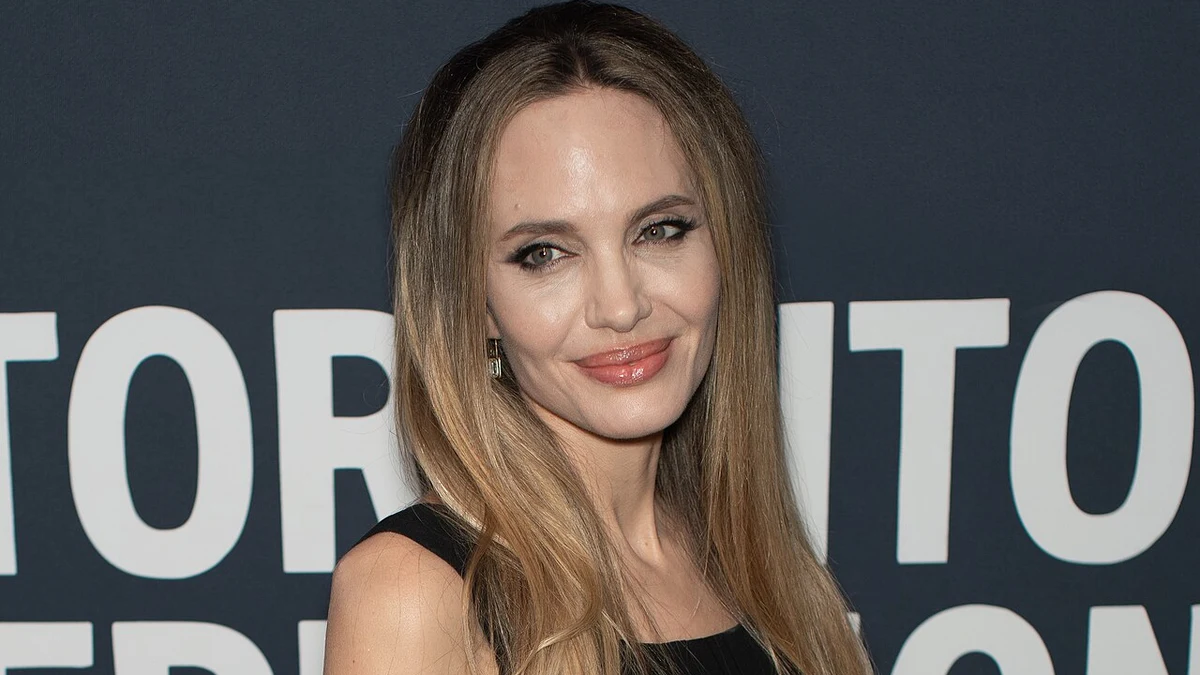
The roots of Jolie’s withdrawal from high-profile acting stem directly from the seismic fallout of her 2016 separation and divorce from Brad Pitt. Thrust into the unforgiving glare of relentless international tabloid scrutiny, Jolie found herself bearing the emotional weight of guiding her six children—Maddox, Pax, Zahara, Shiloh, Knox, and Vivienne—through an agonizing transitional period. As she explained in interviews with Variety and The Hollywood Reporter, the relentless machinery of Hollywood began to feel claustrophobic and spiritually exhausting. She bluntly described the entertainment capital as “not a healthy place,” noting that if she were entering the entertainment industry today, she would never have chosen acting as a profession. In order to heal her fractured household and protect her children’s psychological well-being, Jolie made the conscious, courageous choice to downshift her acting career, accepting only short-term, localized filming commitments that allowed her to remain physically and emotionally anchored by her family’s side.
The Retreat Behind the Camera: Finding Purpose in Directing
As she distanced herself from the demanding glare of performance, Jolie sought creative refuge in the director’s chair. Directing offered a safe sanctuary where she could channel her artistic instincts without subjecting her personal life, appearance, and emotions to the invasive public dissection that routinely accompanies on-screen stardom. Stepping behind the camera for acclaimed, hard-hitting dramas such as In the Land of Blood and Honey, Unbroken, and the deeply personal Cambodian historical epic First They Killed My Father, Jolie established herself as an uncompromising auteur drawn to narratives of human resilience, survival under catastrophic oppression, and historical reckoning. Her most recent directorial effort, Without Blood, starring Salma Hayek, further cemented her devotion to examining the profound psychological scars left behind by violence and war.

Directing afforded Jolie a profound sense of creative agency that acting had gradually stripped away. When acting in mainstream commercial studio projects, performers are frequently reduced to commodities within someone else’s commercial vision. As a director, however, Jolie held the reins, collaborating directly with cinematographers, local communities, and crews to craft stories of urgent social consequence. She frequently reflected that directing allowed her to shine a spotlight on other people’s courage rather than her own image. It was during these intense years behind the monitor that Jolie began to process her own grief and trauma, using the discipline of filmmaking as an emotional crucible to discover what truly mattered to her beyond the ephemeral applause of box office receipts.
‘My Fighting Spirit Is Finally Back’: The Turning Point
For a prolonged period following her divorce, Jolie confessed to feeling stripped of the fiery, unapologetic vitality that had long defined her public spirit. In an intimate, widely shared interview that sparked global headlines, the actress candidly acknowledged that she had lost her inner compass during the most difficult years of personal upheaval. “I think my fighting spirit is finally back,” Jolie revealed with poignant vulnerability. “I had lost it for a bit. I got kind of taken down a little bit.” For millions of admirers who have viewed Jolie as an impenetrable pillar of fierce strength, her willingness to admit that she felt broken and subdued was deeply validating. It exposed the reality that even the most powerful icons in the world are not immune to devastation, grief, and the exhausting toll of prolonged emotional warfare.
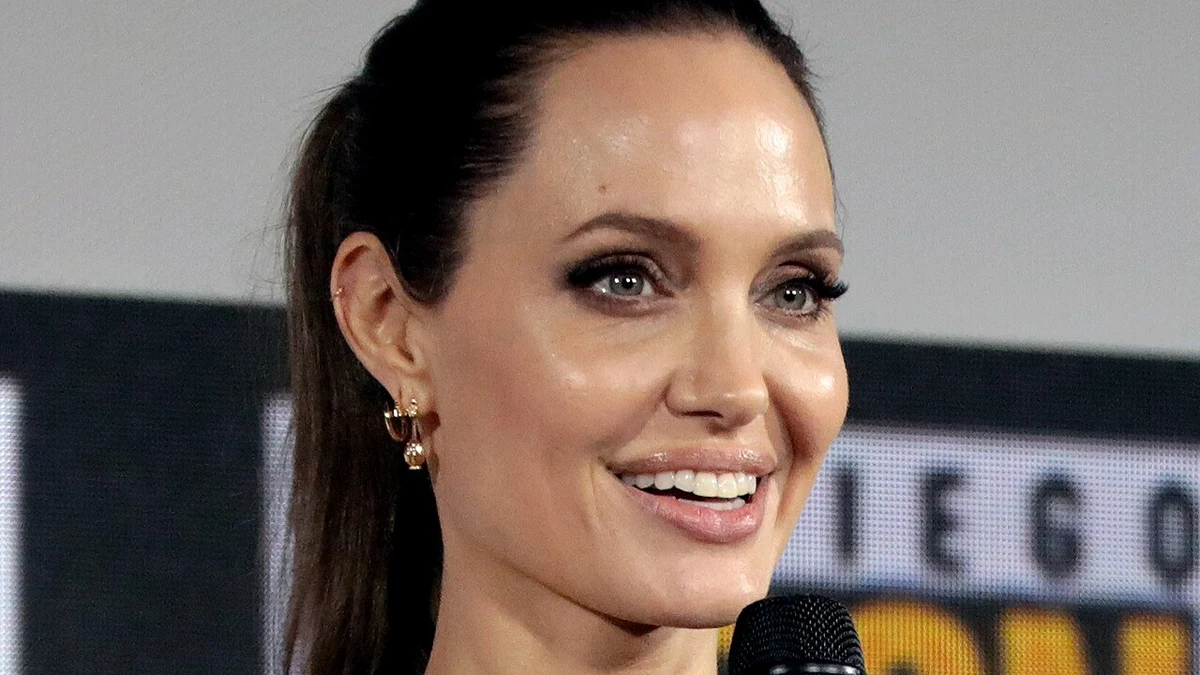
Crucially, Jolie credits her six children as the primary catalyst for reigniting her fighting spirit and guiding her out of the shadows. As her children matured into thoughtful, independent young adults, the dynamic within the household evolved from maternal caretaking into deep, mutual emotional solidarity. Her children began encouraging their mother to live fully again, urging her to travel, embrace new creative challenges, and reclaim the fearless artistic joy she had shelved for years. “They know me more than anybody, and they still like me, which says a lot,” Jolie shared with warm maternal pride. Surrounded by their fierce loyalty and encouragement, the actress found the courage to dust off her emotional armor, step out of self-imposed confinement, and venture back into the cinematic arena on her own terms.
Beyond the Glitz: Humanitarian Soul and the Search for Authenticity
Any understanding of Angelina Jolie’s complex relationship with Hollywood is incomplete without acknowledging her monumental, two-decade tenure as a Special Envoy for the United Nations High Commissioner for Refugees (UNHCR). Having undertaken more than sixty field missions across conflict zones in Cambodia, Sierra Leone, Iraq, Afghanistan, and Syria, Jolie bore firsthand witness to the rawest depths of human suffering, displacement, and survival. These harrowing global experiences fundamentally rewired her worldview, exposing the triviality and superficiality that often saturate entertainment industry circles. Walking through refugee encampments and listening to mothers fighting to keep their children alive in war zones instilled in her a profound moral clarity that made Hollywood’s red carpets and awards campaigns feel painfully hollow.
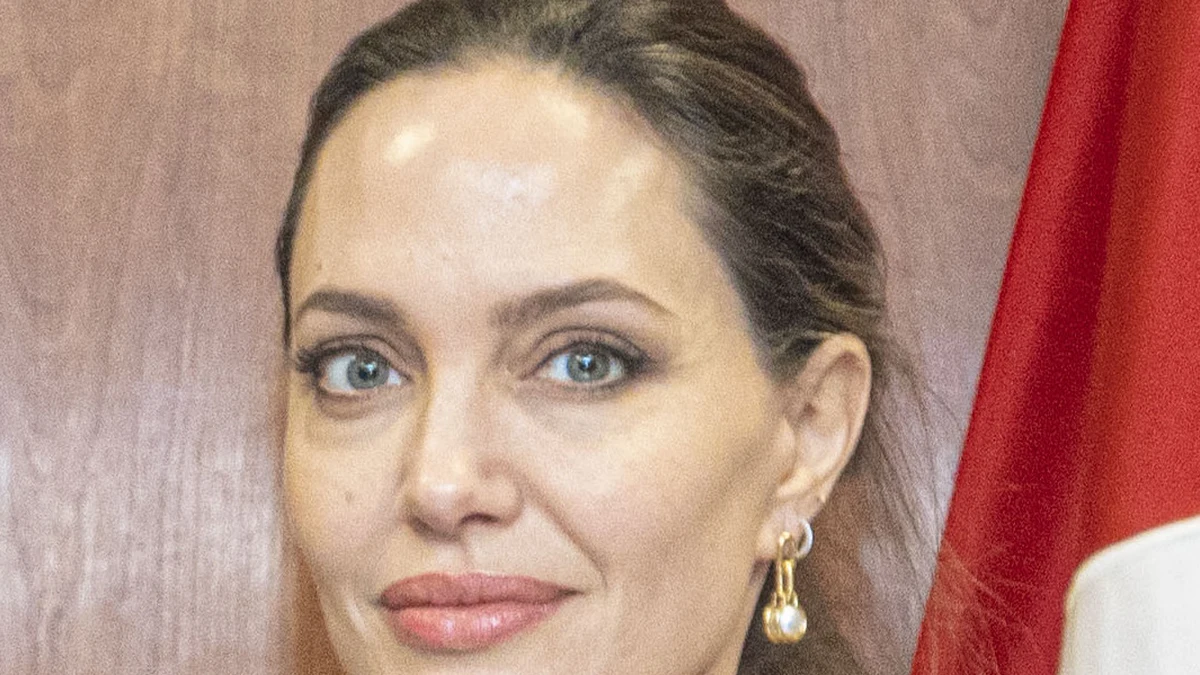
When her personal life unraveled, Jolie leaned heavily on the perspective she had gained from her humanitarian missions. She realized that authentic fulfillment could never be derived from industry accolades or public approval. Her global advocacy taught her that dignity is found in perseverance, service, and unyielding defense of one’s family. Even after stepping down from her formal UNHCR envoy role in 2022 to engage more directly with grassroots, indigenous, and local humanitarian organizations, Jolie carried that steadfast ethos back into her creative career. When she finally contemplated returning to dramatic acting, she resolved that she would only inhabit roles that demanded absolute emotional truth, intellectual rigor, and profound human resonance.
The Triumphant Return: Channeling Maria Callas in a Career-Defining Performance
The definitive turning point in Jolie’s return to acting arrived with Chilean visionary director Pablo Larraín’s biographical masterpiece, Maria. Handpicked to portray the legendary, tragic 20th-century opera diva Maria Callas during her final, reclusive days in 1970s Paris, Jolie faced the most daunting artistic challenge of her entire life. Portraying Callas required far more than dramatic nuance; it demanded months of rigorous, grueling classical opera vocal training, breath control, and Italian operatic immersion. Jolie later revealed that singing opera in front of an orchestra terrified her more than any action stunt she had ever performed, forcing her to confront deep-seated performance anxieties and unearth emotional vulnerabilities she had kept buried for decades.

The world witnessed the breathtaking culmination of this artistic crucible at the 81st Venice International Film Festival, where Maria had its world premiere. As the end credits rolled inside the historic Sala Grande, the audience erupted into a thunderous, eight-minute standing ovation. Basking in the deafening applause alongside Larraín, Jolie was visibly overwhelmed, wiping away tears as the cinema world acknowledged not merely an extraordinary, Oscar-worthy performance, but the triumphant return of a legendary artist who had walked through the fire and emerged triumphant. Critics universally heralded the performance as the finest of her illustrious career, noting that the shared parallels of public scrutiny, heartbreak, and fierce artistic devotion between Jolie and Callas infused the film with a raw, undeniable transcendence.
A New Chapter: Atelier Jolie and Life on Her Own Terms
Today, Angelina Jolie’s return to public life is characterized by total sovereignty over her creative output, time, and physical space. Rather than allowing herself to be swallowed whole by Hollywood’s relentless cycle, she has diversified her passions to align with her deeply held ethical values. In 2023, she launched Atelier Jolie, an innovative creative collective headquartered in Manhattan’s historic former studio of Jean-Michel Basquiat. Designed to democratize high fashion, Atelier Jolie brings together refugee artisans, master tailors, and emerging designers to create bespoke, upcycled, and ethically sourced garments. The venture represents Jolie’s desire to foster communal creativity, empowering underrepresented artists and shifting the global fashion narrative toward radical sustainability and craftsmanship.
Furthermore, Jolie has made no secret of her long-term intention to relocate her primary base of residence away from Los Angeles once her youngest children reach adulthood. Having established deep spiritual roots in Cambodia—where her eldest son Maddox was born and where she holds citizenship—as well as across Europe and Southeast Asia, she seeks a quieter, more authentic existence rooted in nature, literature, and global travel. By refusing to let Los Angeles define her identity, Jolie has decoupled her worth from Hollywood’s fickle approval. She now approaches the entertainment industry not as a vulnerable participant trapped in its gears, but as an independent sovereign who steps onto the screen only when a project commands her heart and soul.
The Enduring Evolution of Angelina Jolie: From Rebel to Resilient Matriarch
Reflecting upon the sweeping arc of Angelina Jolie’s extraordinary life reveals an evolutionary journey unmatched in modern pop culture history. In her twenties, she was the rebellious, leather-clad iconoclast who challenged social taboos and electrified audiences with raw, dangerous charisma. In her thirties, she transformed into an international humanitarian ambassador and box-office titan, challenging the status quo by adopting children internationally and using her star power to defend global human rights. And now, as she stands in her late forties and approaches her fifties, she has evolved into a resilient, deeply wise matriarch and auteur who has mastered the delicate art of emotional survival.
Her openness regarding her retreat from acting and the arduous path back is an invaluable gift to an industry that routinely demands perfection while punishing human frailty. Angelina Jolie has demonstrated that walking away from success to protect your children and heal your soul is not an act of surrender; it is the ultimate expression of courage. In reclaiming her fighting spirit, she has not simply returned to acting—she has reclaimed ownership of her narrative, reminding the world that true power lies not in never falling, but in rising with grace, wisdom, and an open heart each time you do.
Frequently Asked Questions About Angelina Jolie Leaving Acting and Her Comeback
1. Did Angelina Jolie quit acting completely after her divorce?
No, Angelina Jolie did not quit acting entirely, but she intentionally scaled back her workload significantly following her 2016 separation and divorce from Brad Pitt. To focus on healing her family and supporting her six children, she transitioned primarily toward directing and only accepted acting roles with shorter filming schedules that allowed her to stay close to home.
2. Why did Angelina Jolie describe Hollywood as ‘not a healthy place’?
In interviews with publications like Variety and The Hollywood Reporter, Jolie explained that modern Hollywood has become shallow, invasive, and unhealthy due to the relentless scrutiny of social media and tabloid culture. Having spent decades in the public eye, she reflected that if she were starting her career today, she would choose a completely different life path outside of the entertainment industry.
3. How did Angelina Jolie’s children help her regain her ‘fighting spirit’?
Jolie credited her six children—Maddox, Pax, Zahara, Shiloh, Knox, and Vivienne—with helping her recover from emotional exhaustion. As they matured into young adults, they recognized their mother’s sadness and actively encouraged her to travel, embrace new creative challenges, and rediscover the joy of acting, helping her regain her confidence and inner strength.
4. What movie marked Angelina Jolie’s major return to dramatic acting?
Her major return to dramatic cinema is the 2024 biographical film Maria, directed by acclaimed filmmaker Pablo Larraín. Jolie portrays opera icon Maria Callas in Paris during her final days. The performance required months of intensive operatic singing training and earned an emotional eight-minute standing ovation at the Venice International Film Festival.
5. What is Atelier Jolie, and how does it fit into her career evolution?
Atelier Jolie is a creative fashion and artistic collective founded by Angelina Jolie in New York City. Operating out of Jean-Michel Basquiat’s former Great Jones Street studio, the initiative champions sustainability and ethical craftsmanship by collaborating with refugee artisans, master tailors, and upcycling deadstock fabrics, reflecting her shift toward purpose-driven entrepreneurship.