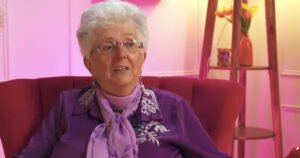


Erin Gray played Colonel Wilma Deering on Buck Rogers in the 25th Century.
Erin Gray became a familiar face to television audiences as Colonel Wilma Deering on Buck Rogers in the 25th Century, but the actress says her experience in 1980s Hollywood was shaped by a larger problem: women were often expected to look good on screen rather than take control of the story.
Now 76, Gray is reflecting on the kinds of opportunities available to actresses when she was building her career. In a recent interview with Woman’s World, she explained that she wanted roles that challenged her as a performer instead of repeatedly placing her in the position of admiring a male lead.
Her comments offer a look back at the limitations actresses faced during that era while also highlighting the unexpected influence her most recognizable character eventually had on women watching the show.
Erin Gray Says Women Had Few Opportunities to Lead
For Erin Gray, the problem was not that she disliked romantic storylines. Rather, she wanted more variety and substance in the characters she played.
During the 1980s, Gray says there were relatively few roles in which women were allowed to become the central figure driving a television or movie story. Instead, actresses could find themselves cast primarily for their appearance and positioned around the male star.
That experience left Gray wanting something more substantial from her career.
She has described being frequently placed in the role of the attractive woman who looked admiringly toward the leading man. While that could be part of a story, Gray wanted opportunities where her character had genuine responsibility for moving the narrative forward.
For an actress, she felt there was a major difference between simply being present in a production and being given material that allowed her to fully explore her abilities.
What Erin Gray’s ‘Buck Rogers’ Character Meant
Gray’s most famous television role came with Buck Rogers in the 25th Century, where she played Colonel Wilma Deering alongside Gil Gerard.
Wilma was not simply a passive romantic figure. She was a military officer who was capable, confident and skilled, and she stood alongside Buck Rogers throughout the science-fiction series.
Even so, the overall show was built around its male lead. That meant Wilma was an important part of the series without necessarily being the person at the center of every major storyline.
For Gray, that distinction mattered.
She wanted to see what her character could do when the story depended on her. One episode in particular gave her a glimpse of that possibility.
The ‘Vampire in Space’ Episode Stood Out
Gray has singled out the episode “Vampire in Space” as an example of a time when Wilma Deering became especially important to the story.
Rather than simply supporting the central male character, Wilma played a pivotal role in the episode’s events. For Gray, having the opportunity to become central to the storyline was particularly appealing.
That experience demonstrated what she had been looking for as an actress: a character with enough importance and complexity to allow her to truly engage with the material.
The distinction may seem small today, but for actresses working in an era when female characters were often secondary to male stars, having a meaningful role in the story could make a significant difference.
Gray Wanted to Move Beyond the ‘Goo-Goo Eyes’ Role
Gray has been candid about her frustration with being repeatedly placed in roles where her character’s primary function was connected to the male lead.
She has described not wanting her work to be reduced to constantly looking romantically or admiringly at the leading man.
Her point was not that she rejected romance altogether. She had no problem performing romantic material when it served the story. What she wanted was the opportunity to take on characters with greater emotional and dramatic depth.
That desire became particularly important when she considered the kind of work she wanted to pursue beyond Buck Rogers.
Gray has pointed to her starring role in the 1982 drama Born Beautiful as an example of the type of opportunity she valued. A role like that gave her something more substantial to explore and allowed her to approach acting as a craft rather than simply an element of a star’s screen image.
Why Acting Depth Mattered to Erin Gray
Gray’s comments reflect a familiar challenge for performers: an actor may have the talent and ambition to take on complicated material, but the opportunities available to them can be much narrower.
For Gray, having something meaningful to work with was essential.
She wanted roles where she could become deeply involved with the character and the story. Instead of simply playing the attractive woman beside the hero, she wanted to be given material that required her to make creative choices and demonstrate a wider range.
That perspective also helps explain why the possibility of playing Captain Kathryn Janeway on Star Trek: Voyager appealed to her.
Although Gray ultimately did not land the role, Janeway represented exactly the type of character that could put a woman at the heart of a major science-fiction story.
The opportunity was attractive because it offered something beyond the limitations she had experienced earlier in her career.
Wilma Deering Had an Influence Gray Never Expected
Despite her frustrations, Gray’s work on Buck Rogers eventually had a much greater impact than she could have predicted when she accepted the role.
Years after the series, she learned that Wilma Deering had inspired women who watched the program.
One particularly memorable encounter came when a highly ranked woman in the Marine Corps approached Gray and told her that the actress had been an inspiration.
The moment surprised Gray.
She had originally taken the Buck Rogers role as another acting opportunity. She did not expect the character to influence someone’s decision to pursue a military career or become an example for women entering a traditionally demanding field.
Discovering that connection years later gave Gray a different perspective on the role.
A TV Character Became an Inspiration
The story illustrates an interesting contrast in Gray’s career.
On one hand, she believed the entertainment industry had not always given women enough opportunities to lead stories. On the other, a character she felt was not given enough narrative importance still managed to have a powerful effect on viewers.
Wilma Deering was presented as a strong military figure in a popular science-fiction series. For some viewers, simply seeing a woman occupy that kind of position was meaningful.
Gray said she was amazed to learn about the character’s influence years after the show ended.
It was a reminder that actors cannot always predict how audiences will interpret or respond to their work. A role that may feel limited from the performer’s perspective can nevertheless become significant to someone watching at home.
Erin Gray’s Career Reflection Comes Decades Later
Gray’s comments also provide a broader look at how television has changed.
When she began working, women were often expected to fit into narrow character types, particularly when a production was built around a male star. Female characters could be attractive, supportive or romantic without necessarily being given equal responsibility for the story.
Gray’s experience reflects that environment, but her story also demonstrates how individual performances could challenge those limitations.
Colonel Wilma Deering may not have always been the central character in Buck Rogers, but she was still portrayed as a capable professional with authority and independence.
That representation mattered to some viewers.
For Gray, the most rewarding part may ultimately be knowing that the character reached women in ways she never anticipated.
What Erin Gray Wanted From Her Acting Career
Looking back, Gray’s message is less about rejecting the roles she played and more about wanting greater choices.
She could appreciate the romantic side of acting while still wanting opportunities that demanded more from her. The goal was to find characters that gave her enough material to explore, rather than repeatedly relying on the same image.
Her reflections are especially interesting because Buck Rogers remains one of the roles most closely associated with her career.
The series helped establish her as a recognizable television actress, while Wilma Deering became a memorable science-fiction character. Yet Gray’s own perspective on the role is more complicated than simply celebrating its popularity.
She remembers the limitations surrounding female roles at the time, but she also recognizes the lasting influence the character had.
A Legacy That Went Beyond the Screen
Erin Gray’s experience demonstrates how an actor’s definition of a successful role can differ from an audience’s.
For Gray, success meant having meaningful material, playing characters with depth and being allowed to contribute directly to a story.
For some viewers, however, seeing Wilma Deering on television was enough to imagine themselves in careers and positions they might not otherwise have considered.
That unexpected legacy has given Gray another reason to appreciate her time on Buck Rogers.
Decades after the show first aired, her reflections reveal both the frustrations she experienced as an actress and the positive influence that one of her most recognizable characters ultimately had.
For Gray, the ideal acting role was never simply about being the beautiful woman beside the hero. It was about having something meaningful to play — and the story of Wilma Deering shows that even a supporting role can sometimes leave a lasting mark.