

The 75,000-Mile Real-World Test That Shattered EV Ownership Myths
When prospective car buyers contemplate making the transition from internal combustion engines to electric propulsion, anxiety over real-world energy expenditures routinely dominates the discussion. While window stickers and EPA estimates present neatly packaged projections, real-world highway driving, fluctuating seasonal temperatures, and volatile energy utility tariffs rarely adhere to laboratory ideals. That is why the long-term cost disclosure from prominent automotive analyst and technology creator Andy Slye sent shockwaves across automotive enthusiast forums and social media. After logging an astonishing 75,000 miles on his Tesla Model 3 Long Range over four years of daily driving, cross-country road trips, and suburban commuter duty, Slye opened up his comprehensive financial ledger to disclose every single dollar spent replenishing the battery pack. The comparison he made against his former luxury daily driver—a gasoline-powered BMW 3 Series sports sedan—revealed an eye-watering fiscal gulf that continues to spark debate across the automotive industry today.

The core numbers reported in the breakdown were nothing short of startling: over the course of 75,000 miles of driving, Slye spent a grand total of just $1,404.38 on electricity to keep his Tesla Model 3 powered. To put that figure into perspective, fueling a comparable sports sedan in the compact executive category—specifically a BMW 330i or equivalent turbocharged four-cylinder BMW requiring premium fuel—would have cost an estimated $9,353 over that identical distance under prevailing regional fuel prices. That represents a net savings of almost $8,000 solely in fuel expenditures. The revelation quickly went viral because it moves beyond theoretical speculation and tackles the visceral question every car shopper asks: when the honeymoon period fades and tens of thousands of miles accumulate on the odometer, does an electric vehicle genuinely save serious cash, or do unseen operational expenses quietly erode the advertised benefits?
The Cold Hard Numbers: Breaking Down the $1,404 Tesla Charging Bill
To grasp how a modern high-performance sports sedan could travel the equivalent of three full laps around the equator for barely fourteen hundred dollars, one must scrutinize the exact energy accounting that governed those 75,000 miles. According to the vehicle’s onboard telematics and external wall-meter tracking, the Tesla Model 3 Long Range consumed approximately 18,289 kilowatt-hours (kWh) of electrical energy over its four-year tenure. When factored against total distance driven, this yields an average operational efficiency of roughly 244 watt-hours per mile (Wh/mi), or about 4.1 miles per kilowatt-hour. This level of thermodynamic efficiency illustrates the dramatic engineering gulf between electric drive units—which routinely convert upwards of 85 to 90 percent of stored electrical energy into forward kinetic momentum—and reciprocating piston engines, which forfeit 65 to 75 percent of the chemical energy in gasoline as useless thermal waste and frictional drag.
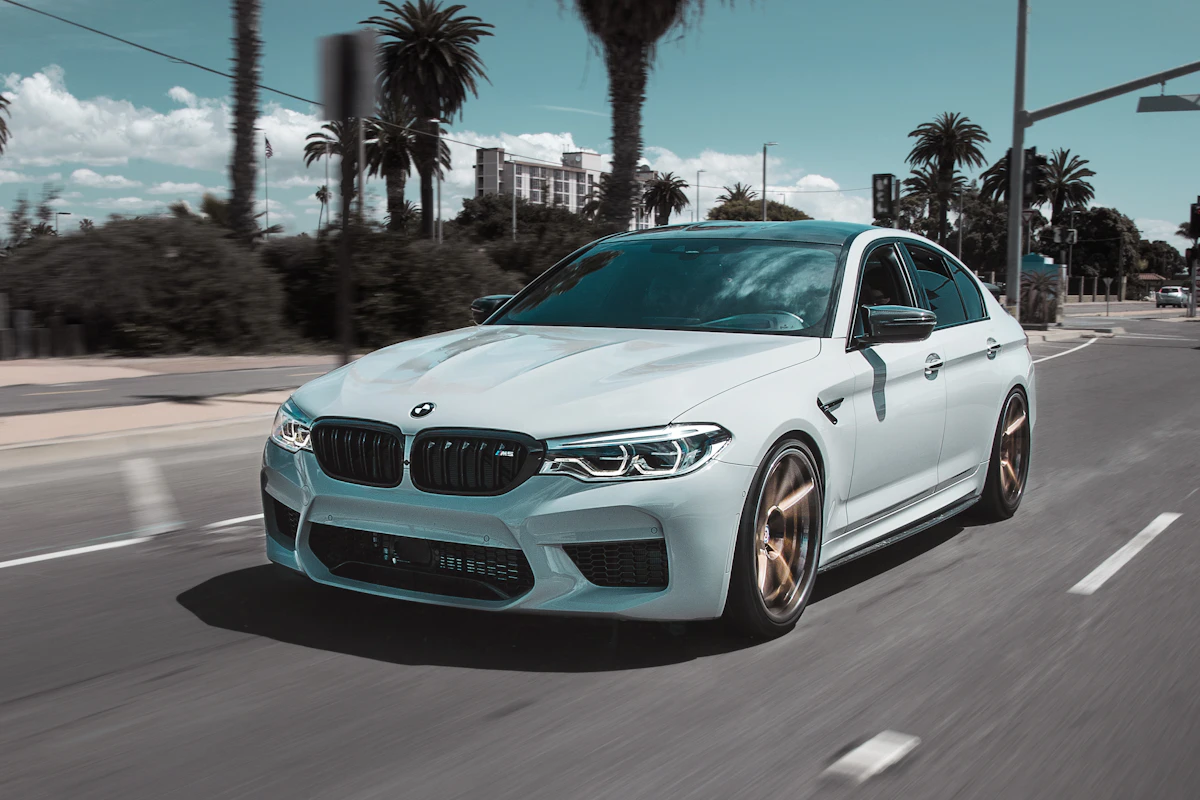
Dividing the total electrical expenditure of $1,404.38 across 75,000 miles translates to an effective running cost of just 1.87 cents per mile driven. In monetary terms, traveling 100 miles cost Andy Slye roughly $1.87 in electricity. By stark comparison, achieving 28 miles per gallon in a premium gasoline sedan—which represents a realistic combined figure for an agile rear-wheel-drive or all-wheel-drive German sedan driven across mixed highway and urban traffic—consumes roughly 2,678 gallons of fuel over 75,000 miles. At an average national premium fuel cost of $3.50 to $3.80 per gallon during that operating window, the fuel receipt exceeds $9,350 to $10,100, which works out to approximately 12.5 to 13.5 cents per mile. In other words, every single mile driven in the gas-powered BMW cost nearly seven times more in energy than driving the electric counterpart.
The Crucial Factor: The Undeniable Power of Home Level 2 Charging
A critical nuance that skeptics often bring up in discussions about electric vehicle economics is the disparity between residential utility tariffs and commercial DC fast-charging networks. Slye’s financial breakdown proves that the real secret to unlocking massive EV savings lies in how and where the battery is replenished. In his documentation, approximately 92% of the Tesla’s lifetime charging occurred in his own residential garage using a dedicated Level 2 240-volt charging setup. Living in Kentucky, Slye benefited from relatively modest domestic electricity rates hovering between 8 to 10 cents per kilowatt-hour during off-peak nighttime hours. By plugging the vehicle in when arriving home and setting an automated charging schedule through the Tesla mobile app to activate after midnight, the car recharged effortlessly while he slept, drawing low-cost baseload electricity from the grid.
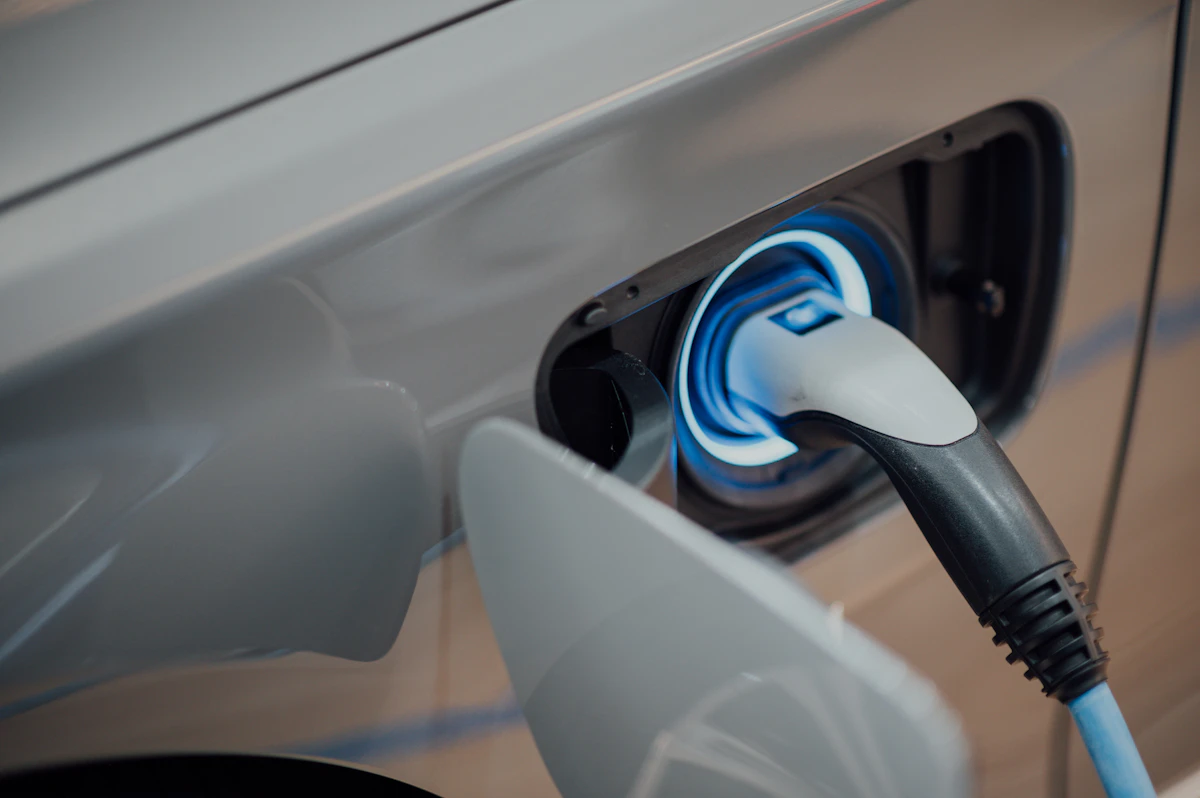
The remaining 8% of energy consumption was acquired through Tesla’s proprietary Supercharger network during interstate road trips and occasional remote travel. Commercial Supercharger rates are notably higher than home electric rates—typically ranging between 28 cents and 42 cents per kWh depending on location and local peak demand charges. However, because public fast-charging represented such a slim fraction of his aggregate mileage, the higher per-unit pricing barely moved the needle on his overall four-year expenditure. This dynamic underscores a fundamental truth about electric vehicle adoption: homeowners or renters with reliable access to Level 2 home charging experience a radically superior economic proposition compared to urban dwellers who must rely solely on public charging infrastructure.
The Premium Fuel Reality Check: Why Combustion Sedans Bleed Cash
To understand why the BMW cost comparison ended up looking so punishing, one must examine the specific operating realities of modern German sports sedans. Vehicles like the BMW 3 Series, Audi A4, and Mercedes-Benz C-Class are celebrated for their sharp steering dynamics, sophisticated multi-link suspensions, and responsive turbocharged engines. However, these high-compression powertrains require minimum 91-octane or 93-octane premium unleaded gasoline to prevent premature detonation and maintain maximum efficiency. In the United States and international markets alike, premium fuel consistently carries an onerous 60-to-90-cent price penalty per gallon over basic 87-octane regular unleaded. Over tens of thousands of miles, that premium octane surcharge alone snowballs into thousands of dollars in unavoidable overhead.

Furthermore, internal combustion efficiency plummets drastically under typical urban stop-and-go driving conditions, where idling at red lights, frequent braking, and low-gear accelerations burn fuel without generating meaningful forward distance. While modern gas engines incorporate automatic stop-start systems, they cannot recapture the immense amounts of kinetic energy lost every time the friction brakes are applied. In contrast, an electric vehicle consumes zero energy while stationary in gridlock and actively recaptures kinetic momentum through regenerative deceleration whenever the driver lifts off the accelerator. As a result, the financial contrast between an electric commuter and a premium gas-powered sports sedan is at its most extreme in real-world suburban and city environments.
Beyond the Plug: How Routine Maintenance Distorts the Ledger Further
While an $8,000 fuel delta over 75,000 miles is headline-worthy on its own, fuel is merely one side of the total cost of ownership equation. Internal combustion engines contain hundreds of moving components subjected to extreme heat, cyclical mechanical stress, and chemical degradation. Over 75,000 miles, a BMW 3 Series typically requires between seven and ten synthetic oil and filter changes, multiple engine air filter replacements, spark plug renewals at the 60,000-mile mark, coolant flushes, transmission fluid checks, and at least one or two complete brake pad and rotor replacements. At authorized dealership service centers or specialized independent European repair shops, routine scheduled servicing for a premium German sedan easily tallies between $2,500 and $4,500 across that mileage bracket.
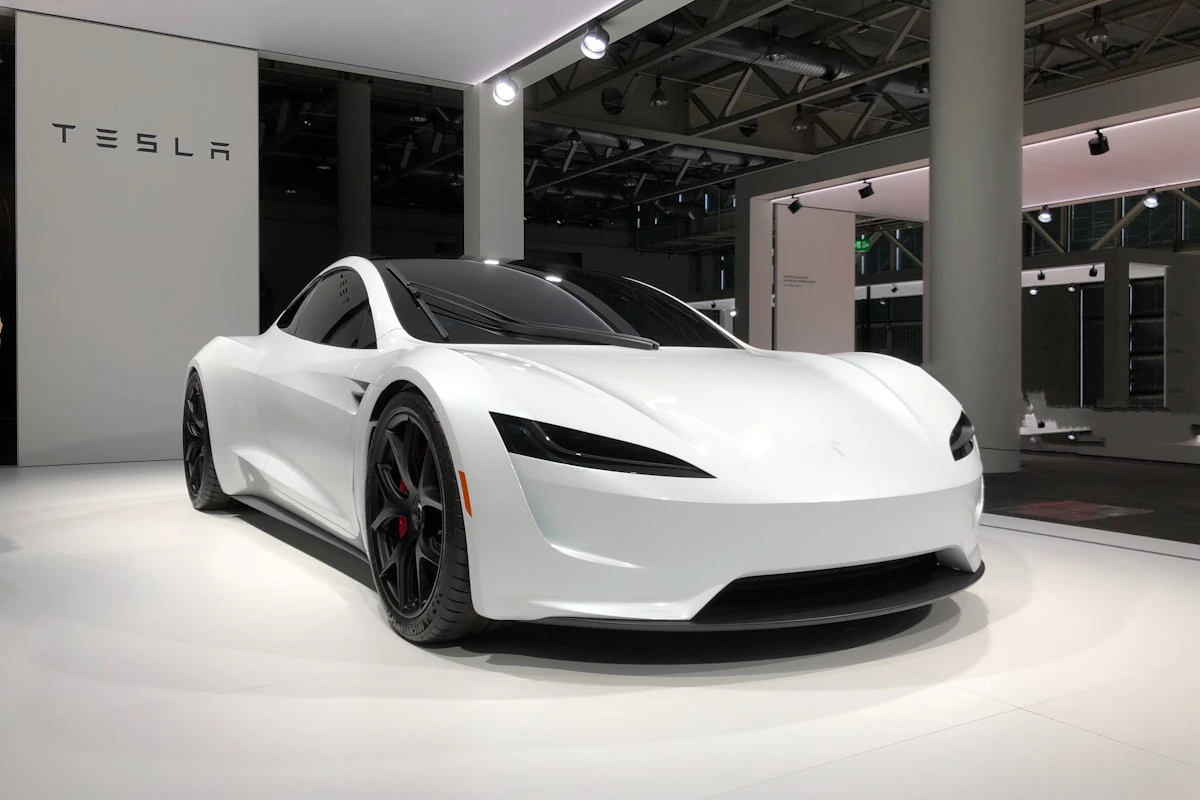
In stark contrast, Slye reported that his maintenance expenditures for the Tesla Model 3 over 75,000 miles were negligible. Because electric vehicles possess no internal engine oil, no spark plugs, no oxygen sensors, no catalytic converters, no serpentine belts, and no multi-gear automatic transmissions, there is no mechanical routine for oil servicing. Furthermore, thanks to aggressive regenerative braking that feeds power back into the battery whenever the vehicle decelerates, the physical hydraulic friction brakes (calipers, pads, and steel rotors) experience virtually no mechanical wear during normal driving. Slye’s primary scheduled maintenance outlays over four full years consisted almost entirely of cabin air filter replacements, windshield wiper blade swaps, tire rotations, and topping off washer fluid—costing just a few hundred dollars in total.
The 75,000-Mile Battery Question: Degradation, Range, and Long-Term Value
The single greatest skepticism prospective EV owners harbor regarding high-mileage electric cars centers around battery longevity. Will the high-voltage lithium-ion traction pack endure years of heavy cycling, or will range loss transform the vehicle into a crippled commuter requiring a multi-thousand-dollar battery replacement? To answer this definitively, Slye conducted thorough capacity degradation diagnostics upon crossing the 75,000-mile milestone. The findings silenced alarmist narratives: his Tesla Model 3 Long Range exhibited less than 5% total battery degradation from its original factory rating. The vehicle still comfortably delivered over 295 miles of real-world usable range on a full charge, demonstrating that Tesla’s active liquid thermal management system effectively shields the battery cells from premature heat-related aging.

This empirical longevity data holds immense implications for resale value and lifecycle reliability. Automotive industry analysts frequently highlight that modern EV battery packs are engineered to last between 300,000 and 500,000 miles before dropping below 70% retention, far outliving the structural and mechanical lifecycle of most combustion powertrains. While a high-mileage BMW approaching 100,000 miles often faces steep depreciation due to looming threats of costly valve cover gasket leaks, water pump failures, turbocharger wear, and electrical sensor faults, an electric vehicle with an intact, thermally regulated battery pack maintains exceptional drivetrain health with virtually zero mechanical wear parts to fail.
The Broader Financial Landscape: Insurance, Tires, and Acquisition Costs
To provide a completely transparent and balanced perspective, any honest automotive comparison must acknowledge areas where electric vehicles do not hold an outright financial advantage. First among these is tire wear. Due to the instantaneous low-end torque produced by electric motors and the inherent curb weight of a 75 kWh battery pack, Tesla vehicles can wear through performance tires faster than lighter combustion sedans if driven aggressively. Over 75,000 miles, an owner will likely replace tires every 30,000 to 40,000 miles, depending on compound rating and driving habits, representing a significant recurring consumable expense that narrows the overall maintenance gap by several hundred dollars.
Second, insurance premiums for electric vehicles often run slightly higher than for conventional internal combustion models. Insurance underwriters factor in the specialized repair procedures required for high-voltage aluminum architectures and the high cost of replacement body panels or sensor arrays following a collision. However, even when compounding slightly elevated insurance premiums and an extra set of performance tires, the cumulative financial delta between the Tesla Model 3 and the BMW 3 Series remains overwhelmingly stacked in favor of the electric car. When tallying an $8,000 fuel savings and an estimated $2,500 to $3,500 maintenance advantage, an owner can realistically pocket over $10,000 in net operational savings across the first 75,000 miles alone.
Frequently Asked Questions About Tesla vs. Gas Luxury Cars
1. How much does it typically cost to charge a Tesla per mile compared to gas?
On average across the United States, charging a Tesla at home costs between 3 to 4 cents per mile, assuming a national residential electricity rate of approximately 14 to 16 cents per kWh. In areas with low energy rates or off-peak EV tariffs—such as the 8 to 10 cents per kWh documented in Andy Slye’s test—costs can plummet to under 2 cents per mile. In comparison, a gasoline-powered luxury sedan averaging 28 miles per gallon on premium fuel costs approximately 13 to 15 cents per mile when fuel is priced between $3.60 and $4.20 per gallon, making the gas vehicle three to seven times more expensive to propel per mile.
2. Why did charging this Tesla only cost $1,404 over 75,000 miles?
The remarkably low total of $1,404.38 was made possible by two primary factors: exceptional vehicle efficiency and strategic home charging habits. Over 92% of all charging was conducted overnight at home in Kentucky, where off-peak residential electricity costs only about 8 to 10 cents per kilowatt-hour. Combined with the Tesla Model 3 Long Range’s high aerodynamic efficiency and regenerative braking system—which achieved an average consumption of 244 watt-hours per mile—the owner avoided expensive commercial fast chargers for daily driving, keeping the average energy bill minimal.
3. Does public Supercharging eliminate the financial savings over a gas car?
While public DC fast chargers like the Tesla Supercharger network cost significantly more than home charging (often ranging between 28 cents and 45 cents per kWh), Supercharging is still generally cheaper or roughly cost-competitive with premium fuel. However, if a driver relies 100% on public Superchargers without ever charging at home, their per-mile fuel savings will be dramatically reduced compared to residential charging. Electric vehicles yield their greatest economic advantage when the majority of replenishment occurs overnight at residential off-peak utility rates.
4. What does 75,000 miles do to a Tesla’s battery health and range capacity?
Real-world telematics and diagnostics from Slye’s 75,000-mile milestone revealed less than 5% overall battery degradation, leaving the car with well over 95% of its original factory range. Modern electric vehicle batteries utilize active liquid glycol cooling and heating loops that maintain optimal operating temperatures, preventing the rapid heat-induced degradation seen in older, air-cooled EVs. Fleet studies across hundreds of thousands of Teslas indicate that modern battery packs routinely retain 85% to 90% of their original capacity even after crossing 150,000 to 200,000 miles.
5. How do long-term maintenance costs compare between a Tesla Model 3 and a BMW 3 Series?
Maintenance costs for an electric vehicle like the Tesla Model 3 are substantially lower than for a luxury combustion sedan like a BMW 3 Series. The Tesla requires no engine oil, oil filters, spark plugs, ignition coils, serpentine belts, fuel pumps, catalytic converters, or transmission fluid services. Additionally, regenerative braking minimizes mechanical friction brake pad wear, meaning original pads can easily last beyond 100,000 miles. Over a 75,000-mile timeframe, a BMW owner can expect to spend between $2,500 and $4,500 on routine scheduled maintenance and inspections, whereas a Tesla owner typically spends under $600 on cabin air filters, wiper blades, tire rotations, and minor consumable items.